Plans Model Catalog Pet3D Free masterclass Our course

Low Poly Alloy Rim 3D Model for Unity & Unreal PBR Asset

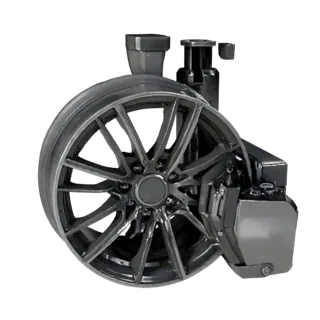
Alloy Rim low poly 3D model for game development with low poly geometry and PBR hard-surface materials with clean edge definition, metallic separation, and close-up component readability.

Loading model...

Preview can be downloaded for free. Full quality is available after registration for 1 credit.

Preview is free. Full quality requires registration and 1 credit.
Low Poly Alloy Rim 3D Model for Unity & Unreal PBR Asset
Low Poly Alloy Rim 3D Model for Unity & Unreal PBR Asset Low Poly Alloy Rim 3D Model for Unity & Unreal PBR Asset

Model details

  • Subcategory Vehicle Parts
  • Object type Alloy Rim
  • Production profile Game ready
  • Texture profile Pbr Hard Surface Materials With Clean Edge Definition, Metallic Separation, And Close Up Component Readability
  • Setting Studio Product
  • Access Free download

Description

Overview and production context

This Alloy Rim model is prepared as a commercial 3D asset for lightweight realtime production and optimized scene building. It emphasizes clean edges, attachment logic, and close-up component readability, uses low-poly geometry, and relies on pbr vehicle parts to keep the model readable in game development. The result fits product viewers, garage scenes, and technical presentations and reads well in studio product contexts. It is intended for scenes where optimization matters, including traffic systems, mobile-friendly projects, and larger realtime environments.

How to use this model

Use cases, fit and pre-production checks

Low Poly Alloy Rim works as a low-poly vehicle component asset for games, realtime scenes, VR or AR previews, simulations. The visual read centers on clean edges, attachment logic, and close-up component readability. PBR Hard Surface Materials with Clean Edge Definition gives the asset a clear material direction. Aerodynamic stance, glass areas, wheel scale, and panel rhythm keep the vehicle readable in road-level camera angles. For realtime use, the important checks are silhouette strength, efficient material regions, readable components at gameplay distance, scale consistency, and how easily the asset can be placed in a larger scene. The asset is useful for game artists, visualization teams, simulation builders, render artists, and vehicle asset libraries. Efficient forms, readable material regions, and stable silhouettes support realtime use. It fits garage scenes, product renders, vehicle customization, and repair visualizations, with visible value in pose, silhouette, material separation, scale, and practical scene use. Printable rows are framed for physical output, realtime rows for engine scenes, and render-focused rows for visual presentation.

FAQ

Answers for this exact model page

Which game or simulation scenes fit this vehicle component?
Low Poly Alloy Rim fits games, realtime scenes, VR or AR previews. It suits projects that need a vehicle component asset with readable proportions, clear material zones, and a visual role matching the low-poly variant. The model presents usable shape and surface information for renders, realtime scenes, or printable collections.
Which profile and material-zone details matter here?
The defining details are clean edges, attachment logic, and close-up component readability. Material treatment around PBR hard-surface materials with clean edge separates important forms and keeps the asset readable from camera, thumbnail, or tabletop distance. Silhouette, pose, scale cues, and surface hierarchy give the model a practical marketplace identity.
How does this vehicle support realtime environment work?
Low Poly use is represented through efficient mesh density, readable silhouette, clean UV layout, controlled material count, and engine-scale proportions. Printable versions emphasize solid forms and sculpted relief; realtime versions emphasize efficient surfaces and material clarity; render-focused versions emphasize close-camera detail. Visible model qualities stay centered on form, materials, scale, and scene use.